Image


© 2026 Sunrise Windows, LLC. All Rights Reserved.
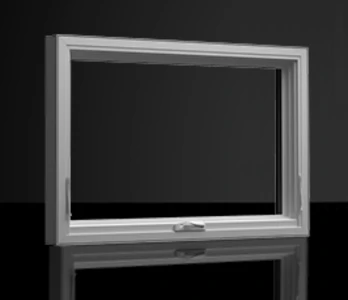
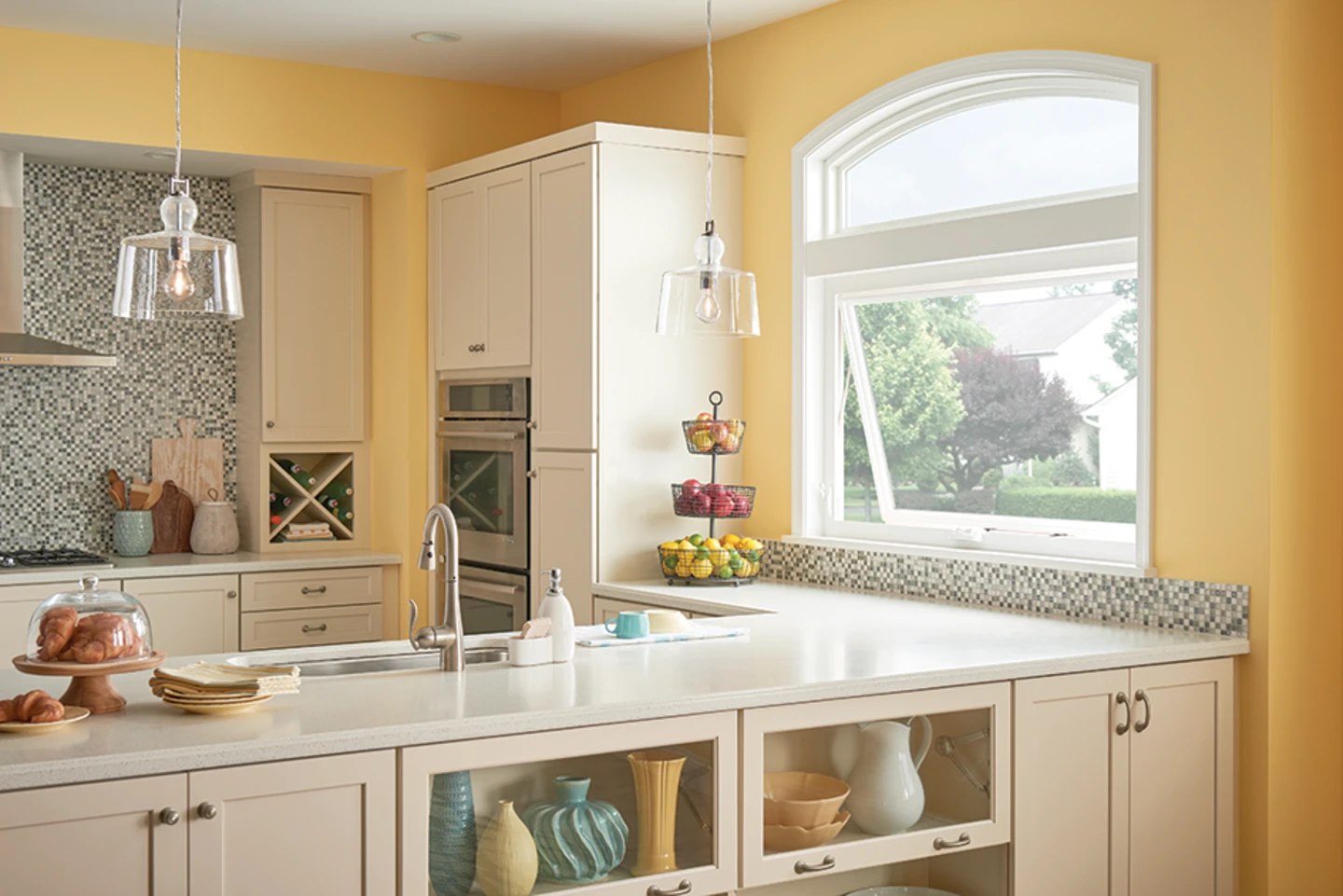
Awning windows are hinged at the top, opening outward from the bottom, and are usually wider than they are tall.
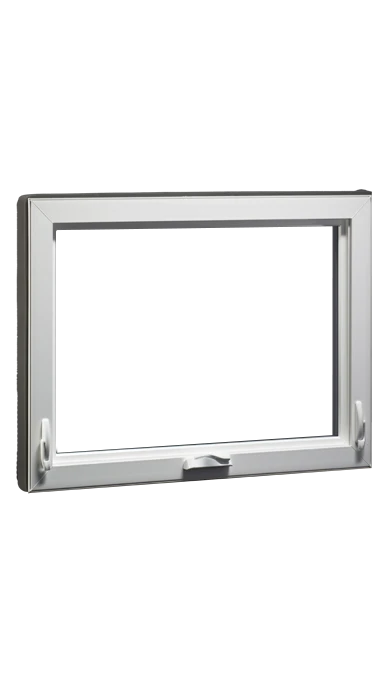

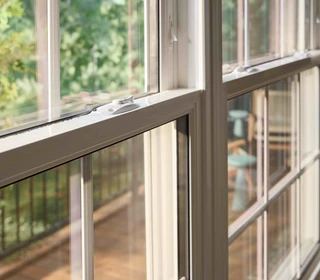
FiberCore™ fiberglass reinforcement and dual low-profile locking handles deliver added durability and peace of mind.

Standard Low-E glass, optional triple-pane insulated packages, and a dual weather-stripping system help reduce drafts and support consistent indoor temperatures.

A recessed folding crank handle allows the sash to open easily, letting in fresh air while maintaining a clean, streamlined look.

Narrow profiles maximize glass and views, combining the elegance of wood-inspired styling with the low-maintenance performance of vinyl.
Browse our selection of durable and stylish awning windows for sale and learn more about options like energy-efficient coatings, tints, grid designs, and privacy glass.


An awning window is a type of window that is hinged at the top, allowing it to open outward from the bottom. This design offers ventilation, wind resistance, and protection from rain and snow, making it ideal for various weather conditions. Its unique operation and versatility make it suitable for many areas in a home, enhancing airflow while maintaining privacy.
Awning window sizes vary, but this style is generally on the small side and is wider than it is tall. The most common sizes range from 2 to 3.5 feet wide and 1.5 feet to 3 feet tall. These dimensions mean awning windows fit in a wide variety of spaces and can be stacked on top of each other, offering a flexibility other window styles can’t.
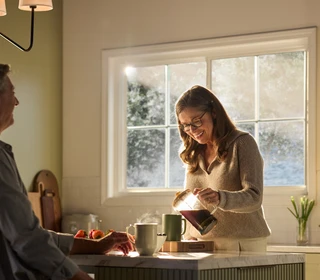
Awning windows are best used in areas that require ventilation and light without compromising privacy. They are ideal for bathrooms, kitchens, and basements where direct airflow is desired. They also work well in mud rooms and laundry rooms as they can be placed high on the wall. Their ability to remain open during rain and snow makes them perfect for climates with frequent precipitation.
The main difference between casement and awning windows lies in their opening mechanism and orientation. Casement windows are hinged on the left or right side and open outward like a door, offering full top-to-bottom ventilation. Awning windows are hinged at the top and open outward from the bottom, providing ventilation with protection from the elements, making them suitable for many different applications.
The cost of awning windows can range from $300 to $1,000 per window, depending on factors such as material, size, and brand. Installation costs also vary by region and complexity of the job, adding to the overall expense. Choosing energy-efficient options can offer long-term savings on heating and cooling costs, despite the initial investment.